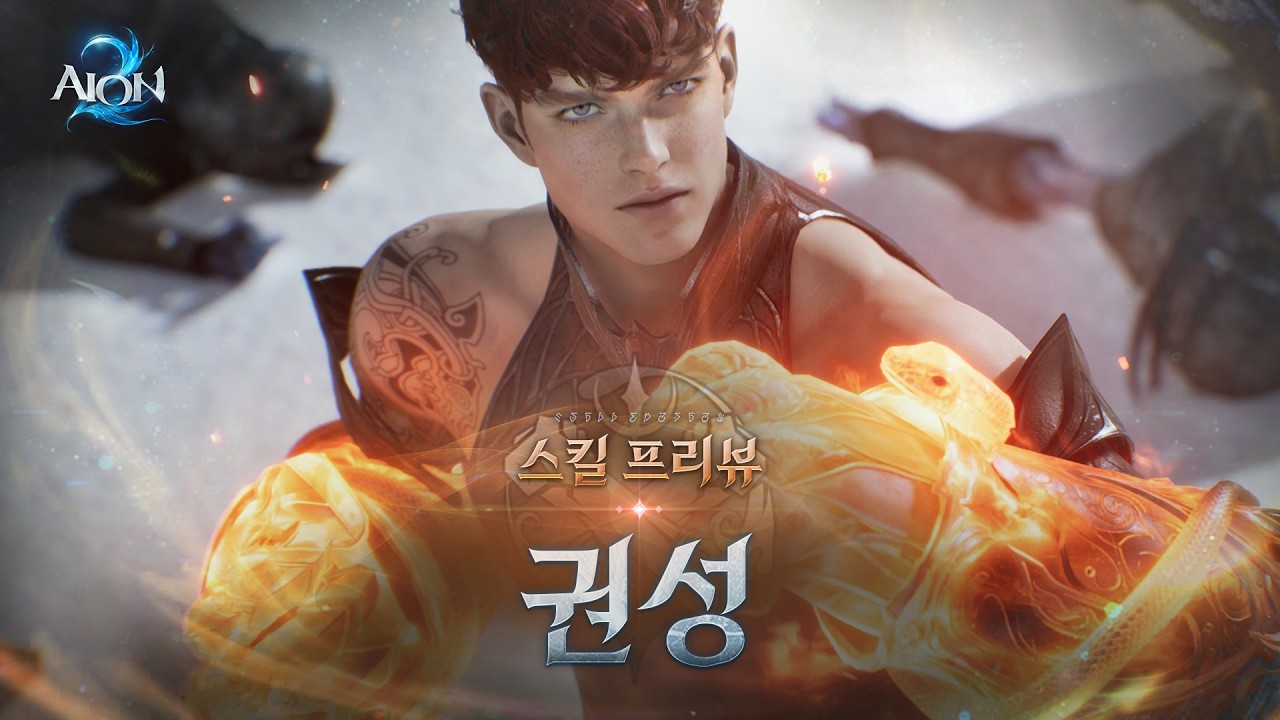
Brawler (권성) is the close-combat class introduced with AION 2 Chapter 1. It is appropriate for players attracted to direct melee engagement, but detailed rotations, rankings, and best-in-slot claims require extra caution because the class and its balance history are newer.
Gauntlet assault and Fury role
Brawler (권성) joined AION 2 with Chapter 1 as a gauntlet-wielding melee assault class. The official guide describes rapidly closing distance, building the Fury resource, and using Berserk state for a major rise in combat capability. Its defining skill test is therefore combat tempo and resource management, not merely staying close to the target.
Choose it for the close-range combat style, not solely because launch-period videos show high results. Early showcases often combine unfamiliar opponents, concentrated investment, and pre-adjustment balance. Those clips are useful demonstrations but not durable evidence.
Building Fury and timing Berserk
Approach with a safe route, commit at a moment when the target cannot freely disengage, and preserve an answer for retaliation. Close-combat classes must convert movement into real uptime without ignoring mechanics. Practice recovery and repositioning as seriously as the offensive sequence.
Fury and Berserk are confirmed by the official class guide; exact gains, duration, cancel windows, and coefficients remain to be confirmed against the current client and subsequent updates. This guide will not infer those values from similarly named classes in other games. Use official tooltips as the primary numerical reference.
Brawler PvE tempo
For leveling, learn the reach and commitment of each action before pulling large groups. In dungeons, remain behind or beside controlled enemies where mechanics allow, and do not compete with the tank for enemy facing. A newer class still follows the same encounter rules as the rest of the roster.
Player impressions immediately after a class launch can swing between excitement and frustration. Separate comments about feel from measured performance, and check whether a report predates a balance update. Real encounter consistency is more useful than a short training-target comparison.
Gap closing and Berserk in PvP
Close distance with a plan for the opponent's response, not just the first hit. Preserve mobility or defense for the counterattack and coordinate with allied control in group PvP. Avoid chasing a retreating target outside healing and support range.
Matchup knowledge for a new class develops over time. Treat early tier lists as snapshots that depend on gear, mode, and player familiarity. Exact control chains, immunity interactions, and PvP modifiers remain待确认.
Gauntlet progression
Follow current Chapter 1 item and progression information visible in the live client. Invest gradually until the role of each stat and effect is demonstrated under current conditions. Do not pay an upgrade cost based only on a launch-week recommendation.
Separate solo, dungeon, and PvP goals. Named best-in-slot pieces and numerical thresholds are omitted because they require current acquisition and balance verification. Update notes should override earlier creator guides when the two conflict.
What Brawler players experience
The clear appeal is a fresh, direct melee style and the process of learning a newer toolkit. The risk is information volatility: guides, translations, and community consensus may lag behind patches. Players should expect to test and revise more often than with an older, well-documented class.
When evaluating experiences, prefer reports that name the patch, activity, gear level, and comparison method. A single player's result can reveal an interaction but cannot establish average strength. This guide treats community findings as leads to verify, not facts by popularity.
Common mistakes
Do not assume “new” means strongest, copy a launch-day build after later updates, or ignore melee positioning. Avoid presenting Korean terminology translated by guesswork as official localization. Mark uncertain mechanics as待确认 until the live client or official notes settle them.